cheap film and expensive lenses

I'm constantly traveling in and out of Union Station in D.C., which means I'm constantly taking photos of Union Station. My last visit I was trying out a new lens—the Voigtlander Ultron 28mm f/2.0—and ended up shooting most of a roll of film—Kodak Ultramax 400—while making my way back to Charlottesville. I got it developed by the local camera shop in town, and scanned the negatives at home. The images themselves aren't terribly strong, but I like the how the lens renders color, and I'm a fan of the somewhat-wider-than-normal perspective.

I'm moving away from medium format film—something I may write about in the future—and I've picked up two new lenses for my Leica as I move to shoot more 35mm (and large format). This is the first, I'll write about the second soon enough.

The entrance to Union Station.

The entrance to Union Station.

One of the unused entrances to the station. 

One of the unused entrances to the station. 

Inside the station. 

Inside the station. 

I only shot most of the roll at Union Station. A few were taken near the White House, where I could see how the lens performed close up and at somewhat of a distance.

These people were arguing about the Constitution.

These people were arguing about the Constitution.

Lafayette!

Lafayette!

I finished the roll in Charlottesville, with a few photos of a graffiti-ed tunnel near downtown. This also gave me a chance to see how it performed up-close.

Based on a few context clues, I think this was all spray-painted by local students.

Based on a few context clues, I think this was all spray-painted by local students.

An apt statement these days.

An apt statement these days.

There's a little fall-off in the corners of the frame, but otherwise it is very sharp.

There's a little fall-off in the corners of the frame, but otherwise it is very sharp.

a few shots with a contax t2

I rented a Contax T2 last month, and put it through the ringer, shooting 7 rolls of film in a variety of different conditions. For a camera that retails on eBay for nearly $1,000, it's a little underwhelming. Yes, it's well-built and feels great in the hand. It looks good—no small thing—and it's slim enough to put in a back pocket.

At the same time, the manual controls are a pain to use, and the focus delay makes shooting a little perilous—you're never quite sure if you've achieved proper focus. And while there is an aperture priority mode, the viewfinder layout is confusing, making it difficult to see if you have the right exposure. If I were buying a 35mm camera and had cash to spare, I would invest it toward a different point and shoot, or even better, a proper rangefinder.

Having said that, the lens is sharp and contrasty, with vignetting that adds a nice bit of character to your photos. I'm happy with the results, even if I'm not thrilled with the camera itself.

Downtown Richmond, VA. Kodak Tri-X 400.

Downtown Richmond, VA. Kodak Tri-X 400.

Just near Penn Station in New York, NY. Fuji Provia 100f.

Just near Penn Station in New York, NY. Fuji Provia 100f.

The Colonnade at the University of Virginia. Fuji Acros 100.

The Colonnade at the University of Virginia. Fuji Acros 100.

Seen in Scottsville, VA.

Seen in Scottsville, VA.

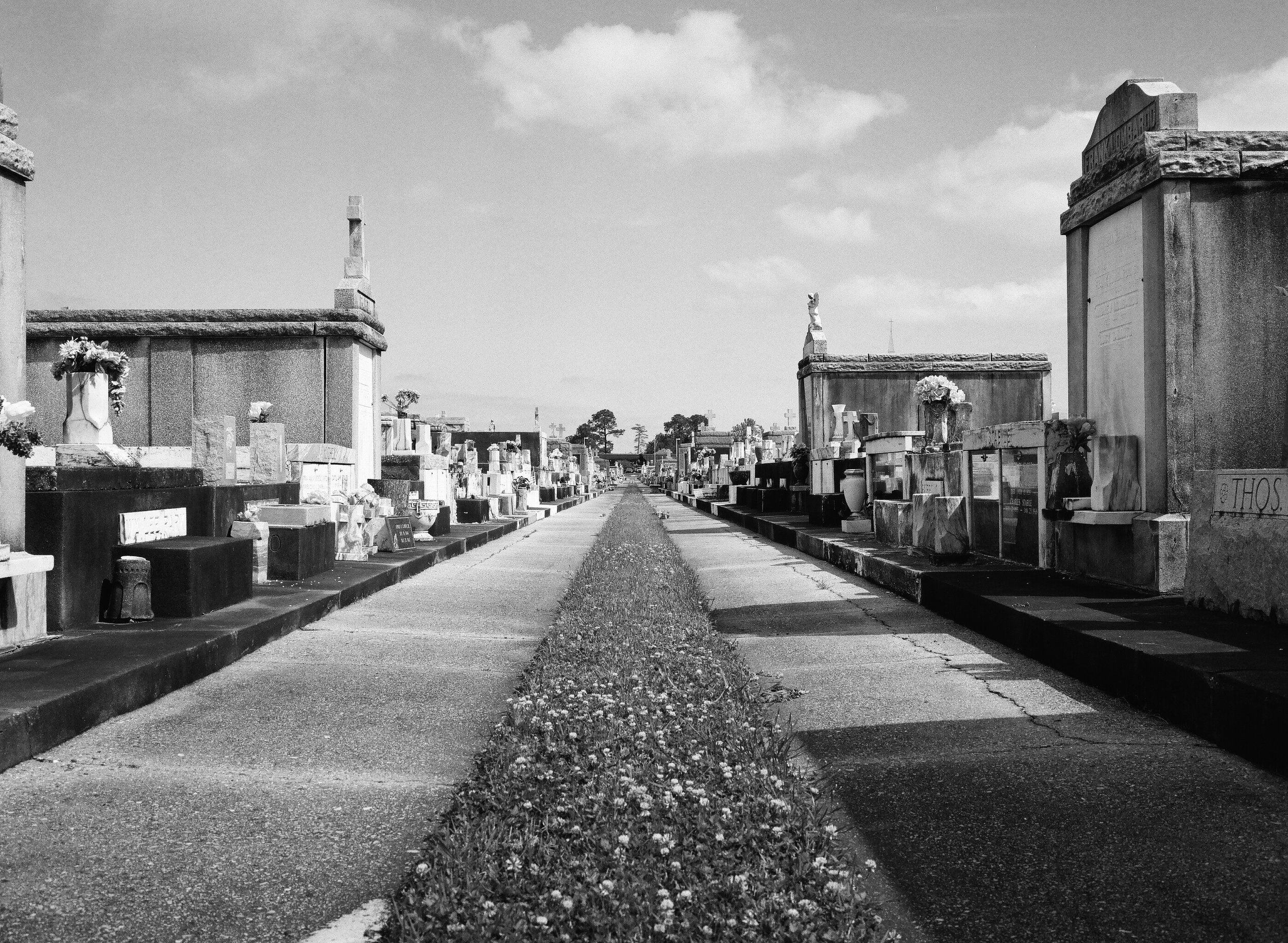
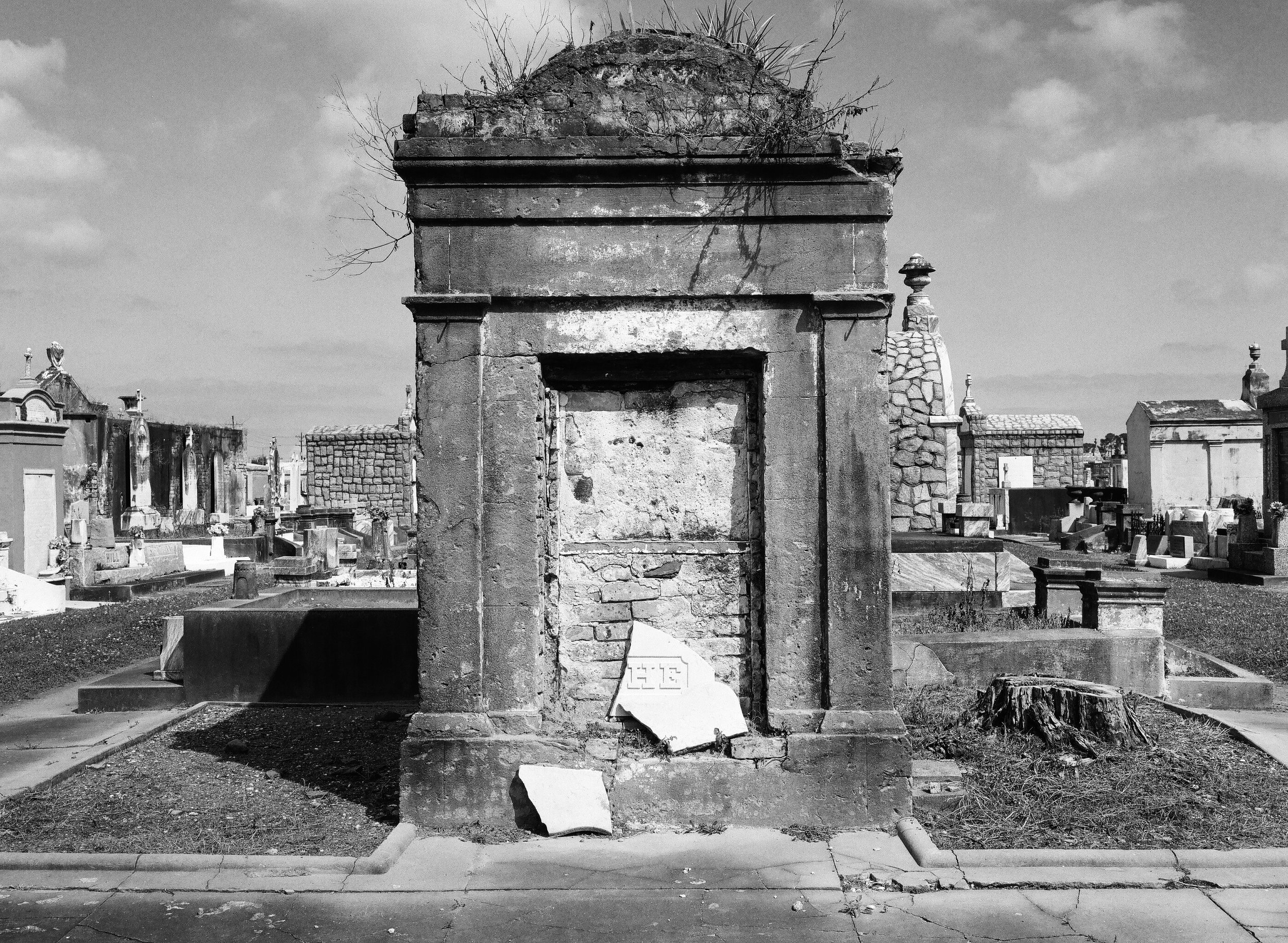
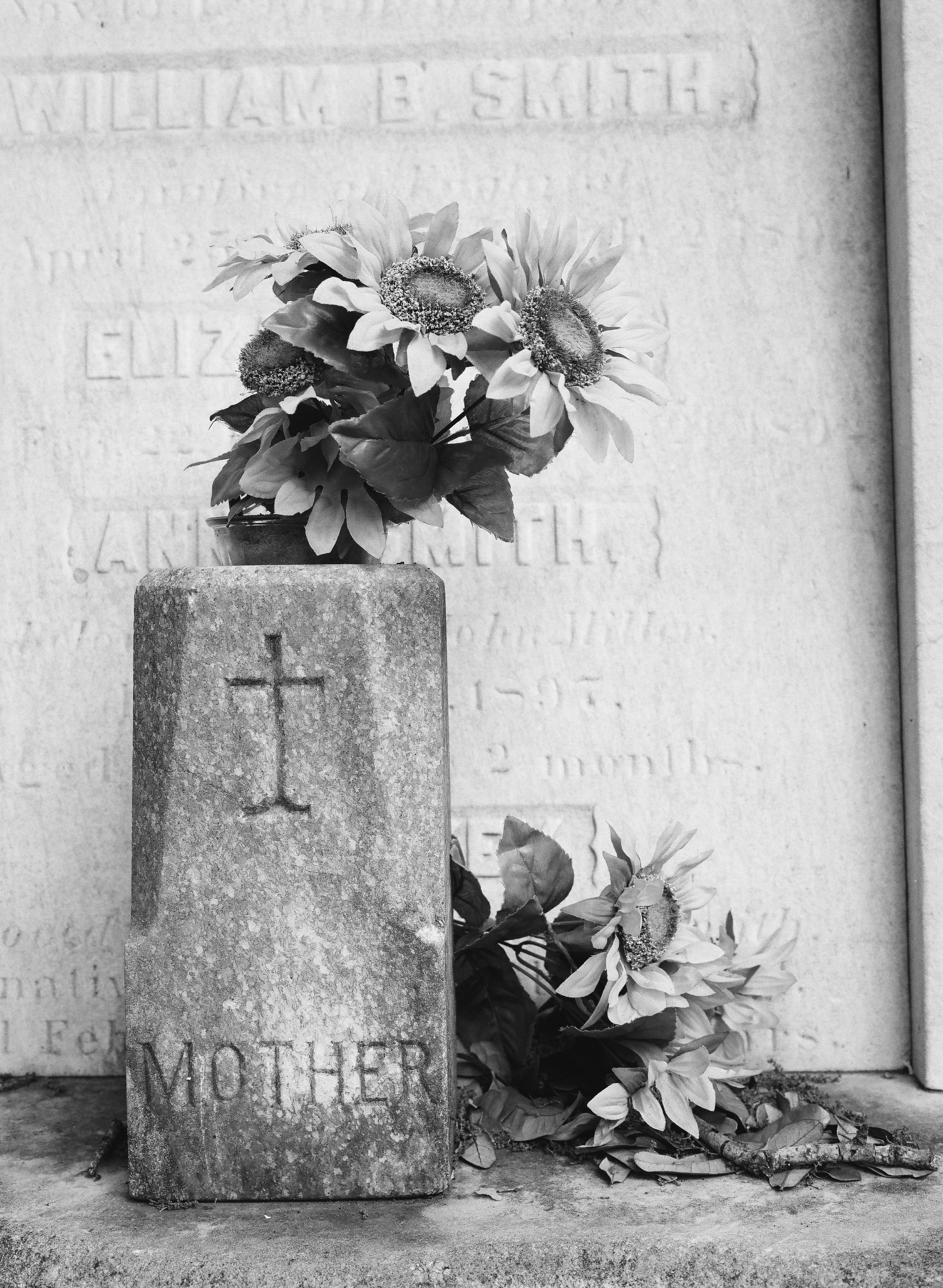
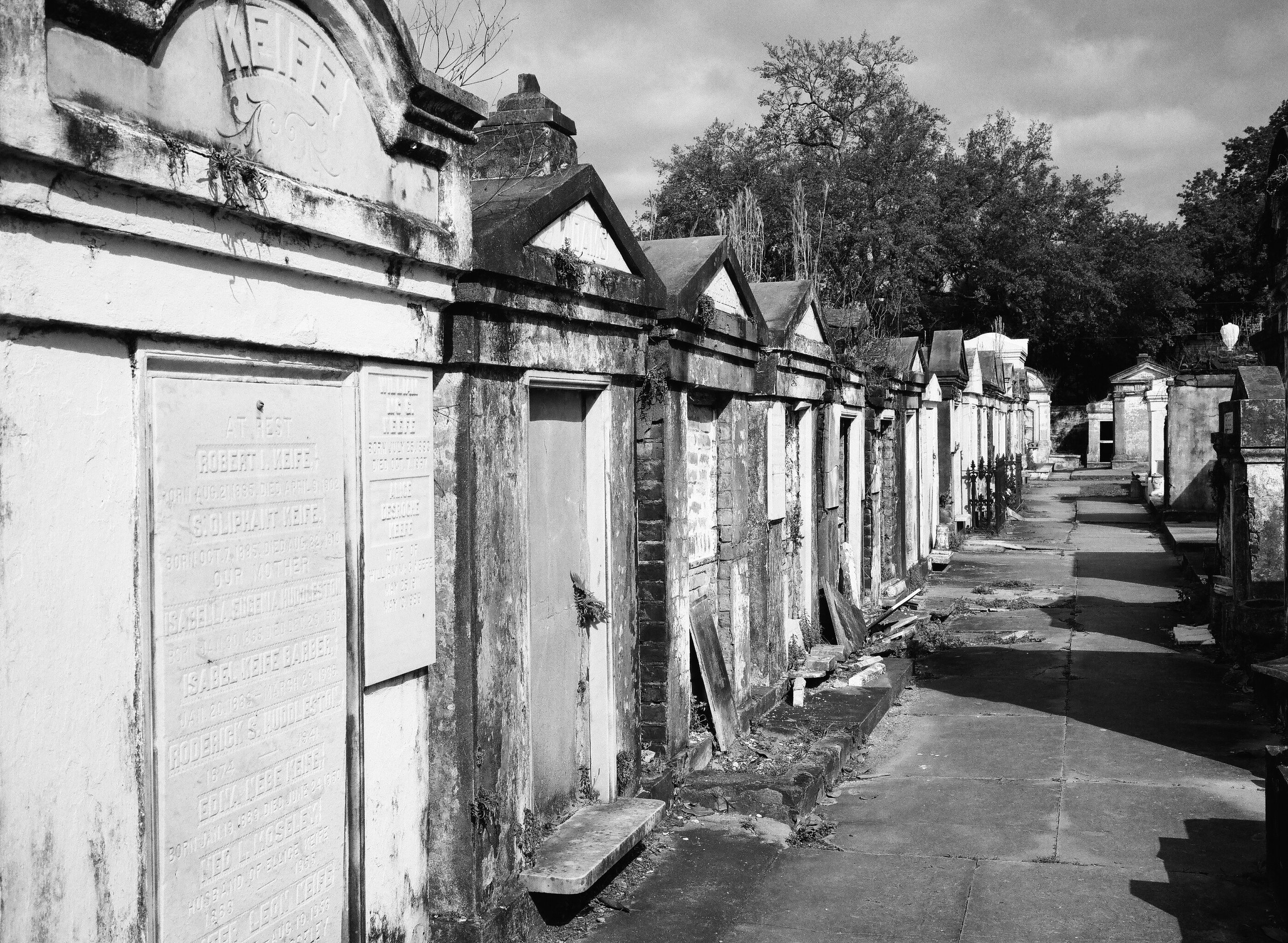
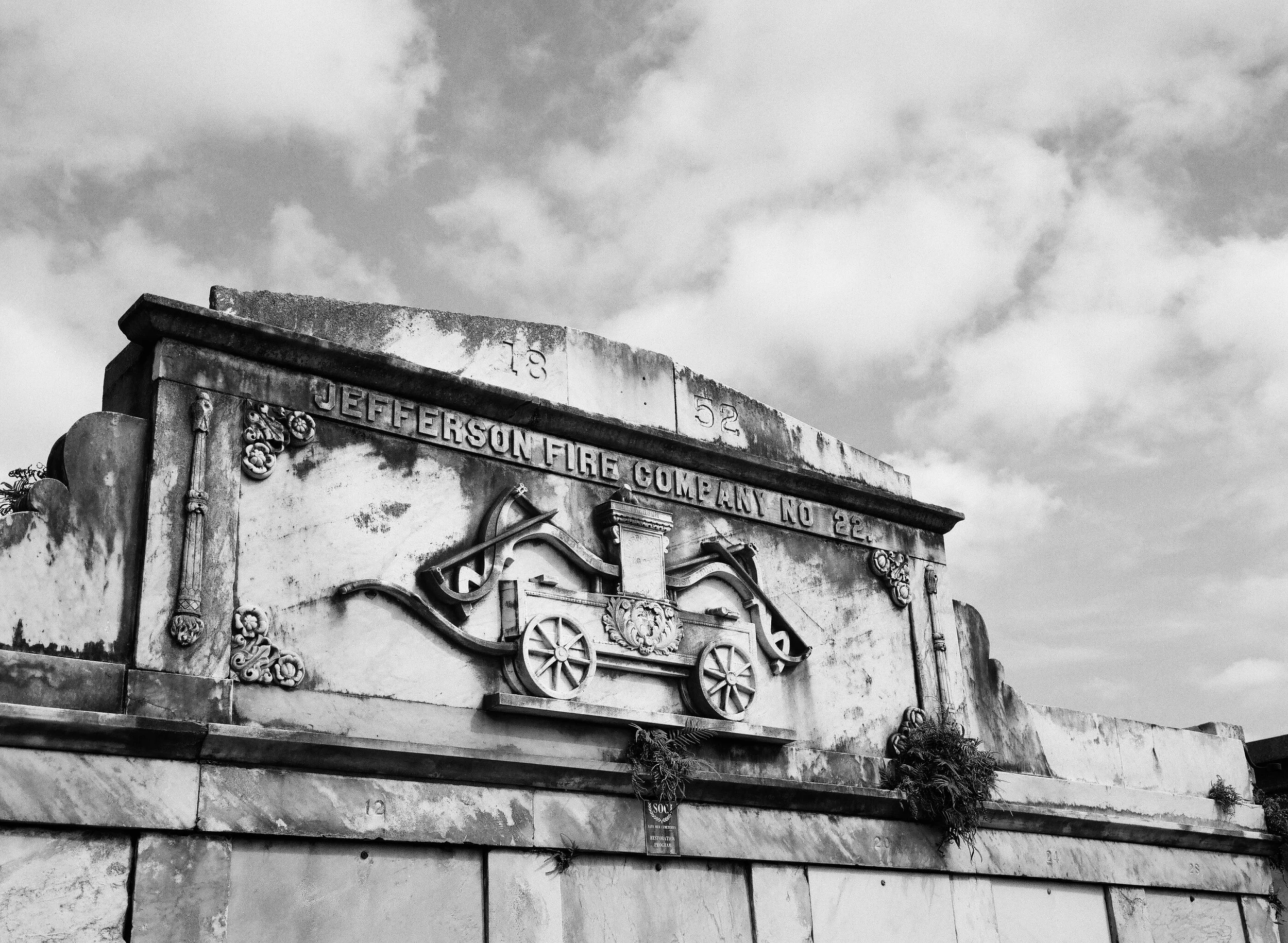
new orleans, take one—cemeteries

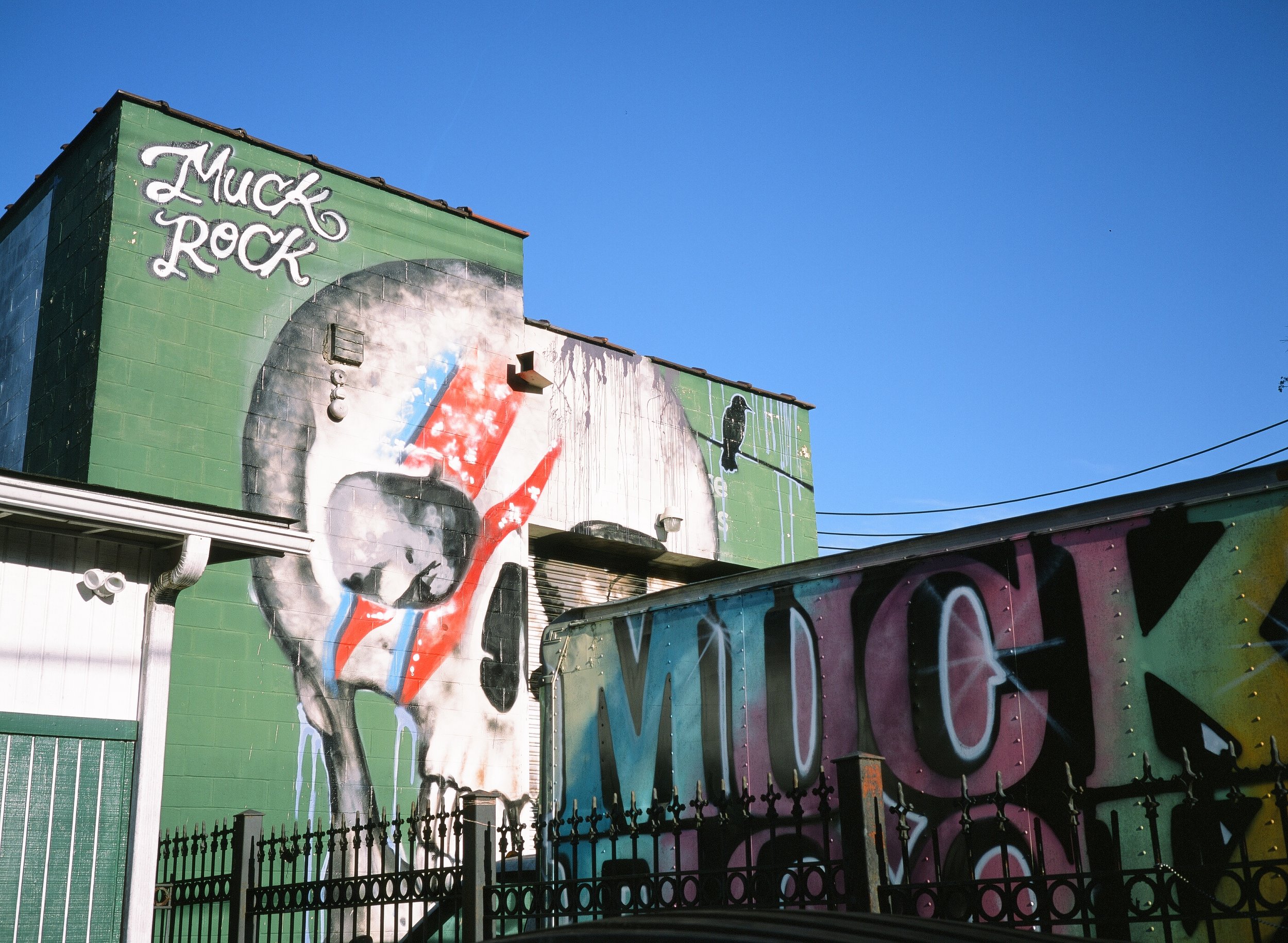
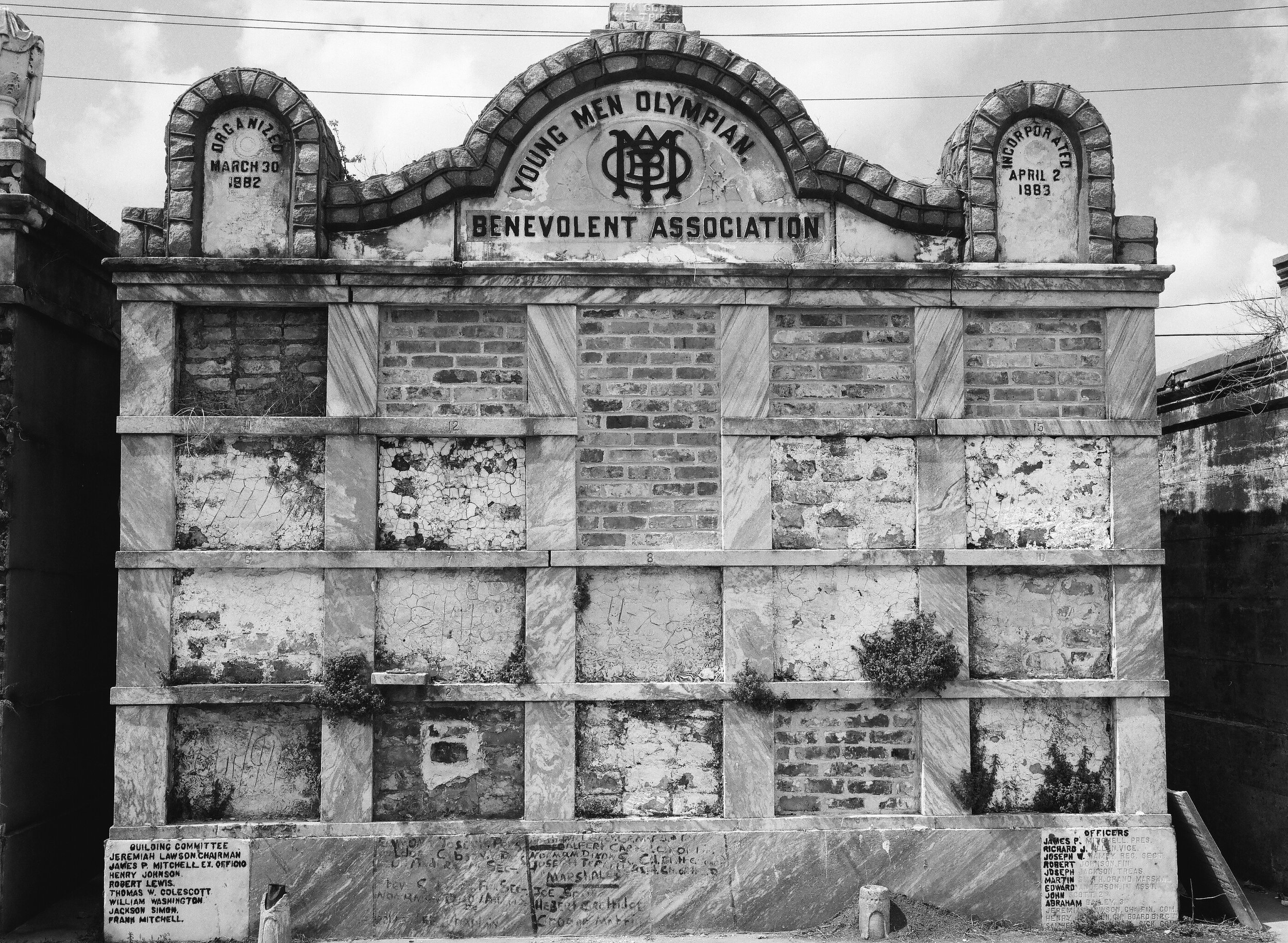
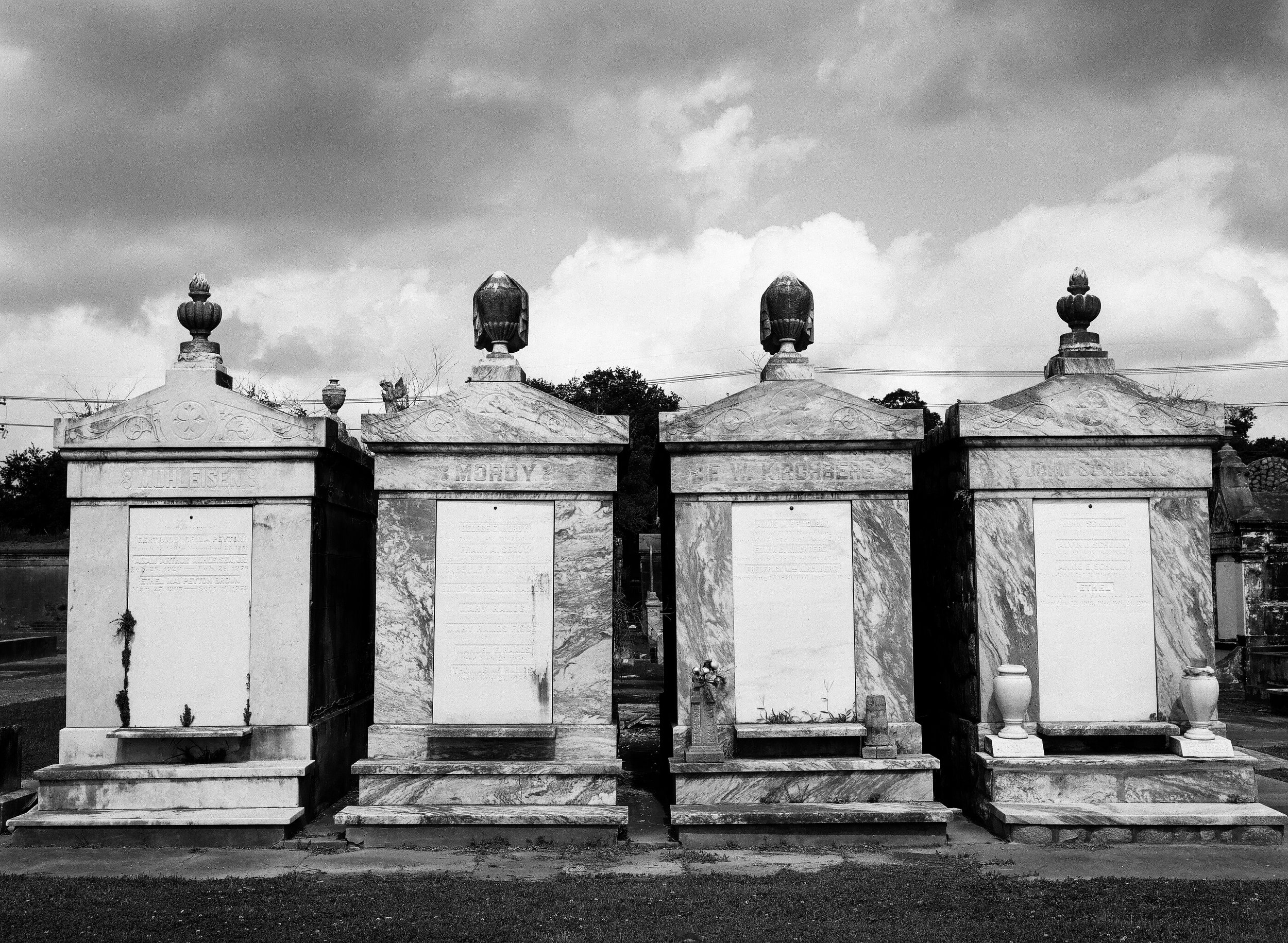
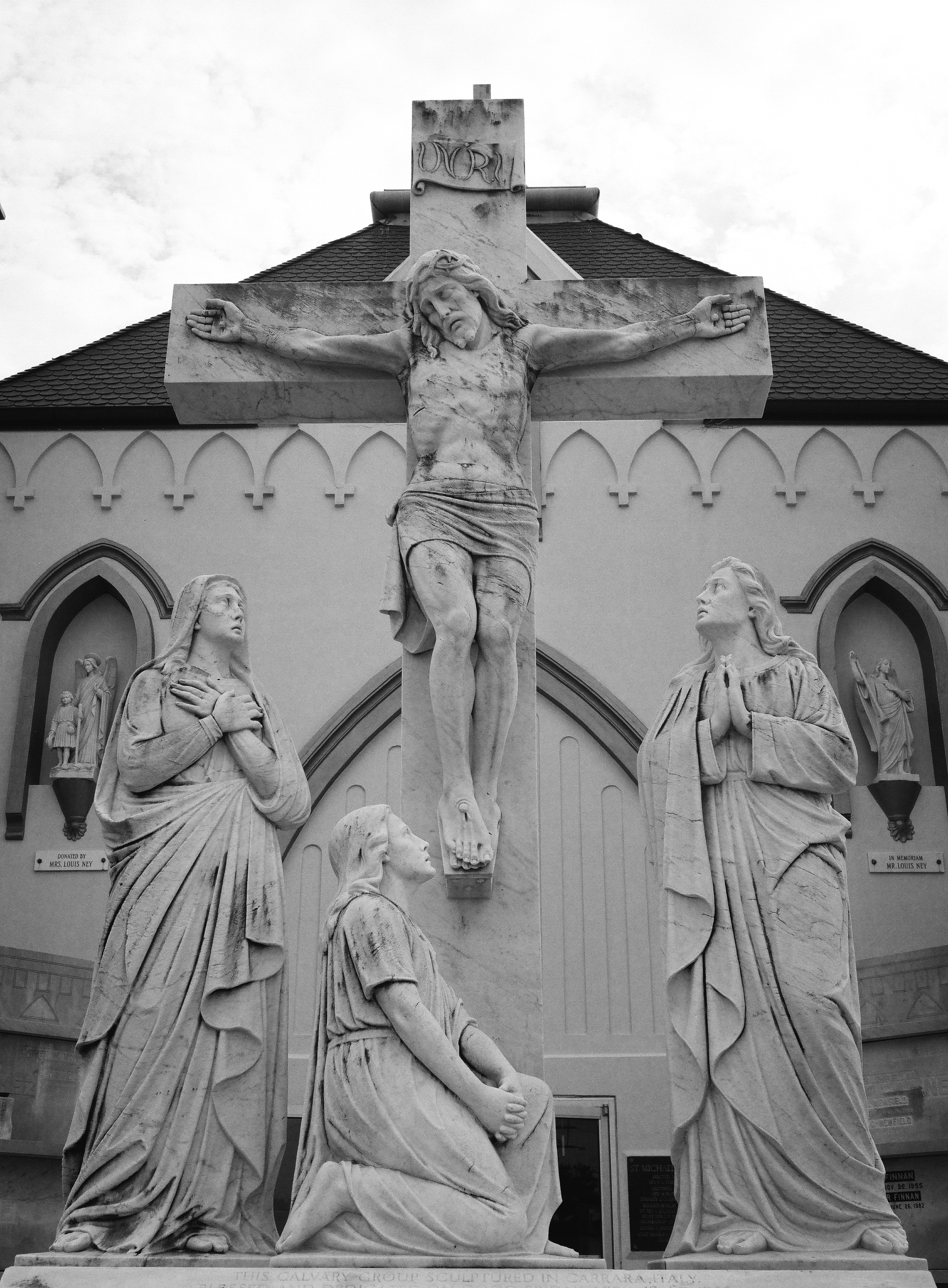
Rather than try to walk you through each photo I took in New Orleans, I thought I would share them in batches organized by subject. Obviously, a trip to the city means time in cemeteries. But in our week visiting, we spent a lot  of time visiting cemetries and I shot at least three rolls of film just documenting the huge variety of tombs and memorials we saw. These, obviously, are the photos I thought were worth sharing, culled from a variety of different cemetries in the area. Leave a comment if you recognize a particular one, or if you’d like to purchase a print of a particular photo. To see each photo in its glorious full size, just click on it.

thinking through the lynching era

I was in Alabama to visit and report on a new memorial to lynching victims. To read that story, just click on the title of this post. Here's an excerpt:

Racial hierarchy and inequality still exist today, but Jim Crow is gone and the public, socially sanctioned violence that defined the lynching era has largely disappeared. Which may lead some to ask why? Why dwell on this painful period of American history? Why fight to bring this unspeakable violence into the national consciousness? And why work to integrate it into public memory when lynching remains an incredibly fraught metaphor for racial conflict, with heavy symbolic baggage that weighs on any conversation around the subject?

The answer is straightforward. We live in a moment when racism—explicit and unapologetic—has returned to a prominent place in American politics, both endorsed by and propagated through the Oval Office. And in that environment, a memorial to racial terrorism—one which indicts perpetrators as much as it honors victims—is the kind of provocation that we need, a vital and powerful statement against our national tendency to willful amnesia.

I also took photos. A few of those are part of the essay, and you can view them at the link. This, I think, is the strongest of the batch.

L1000222.jpg

alabama, take two

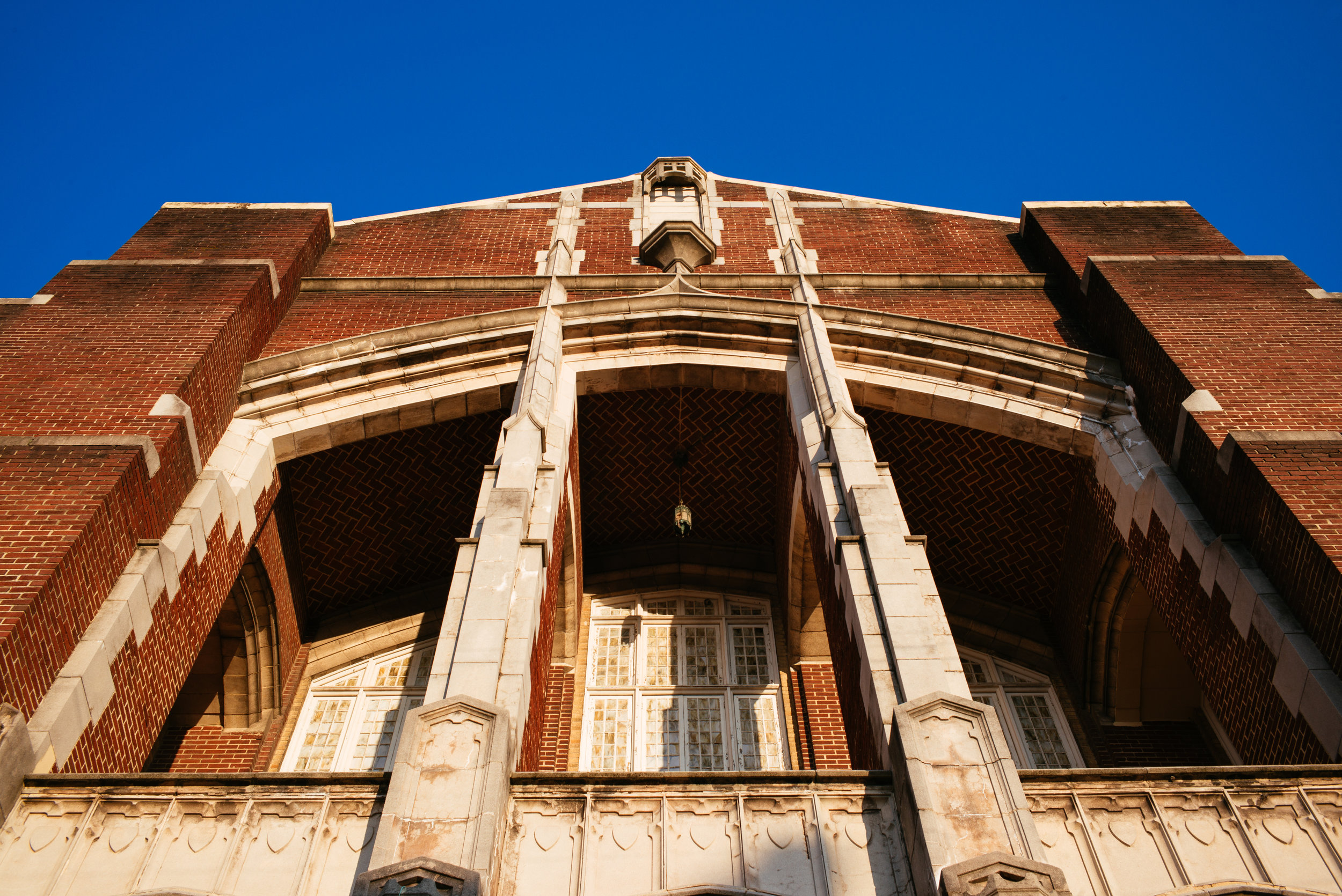
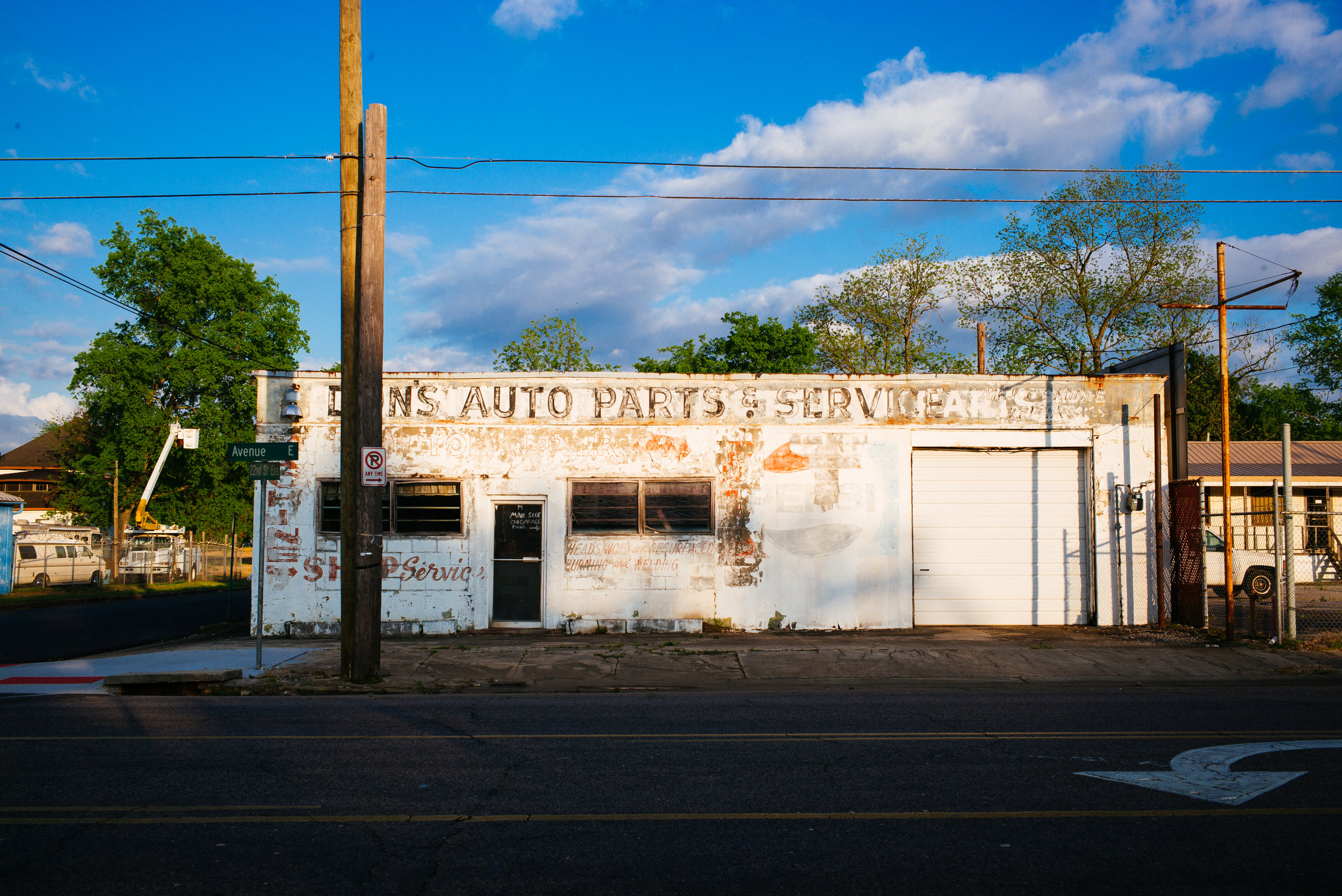
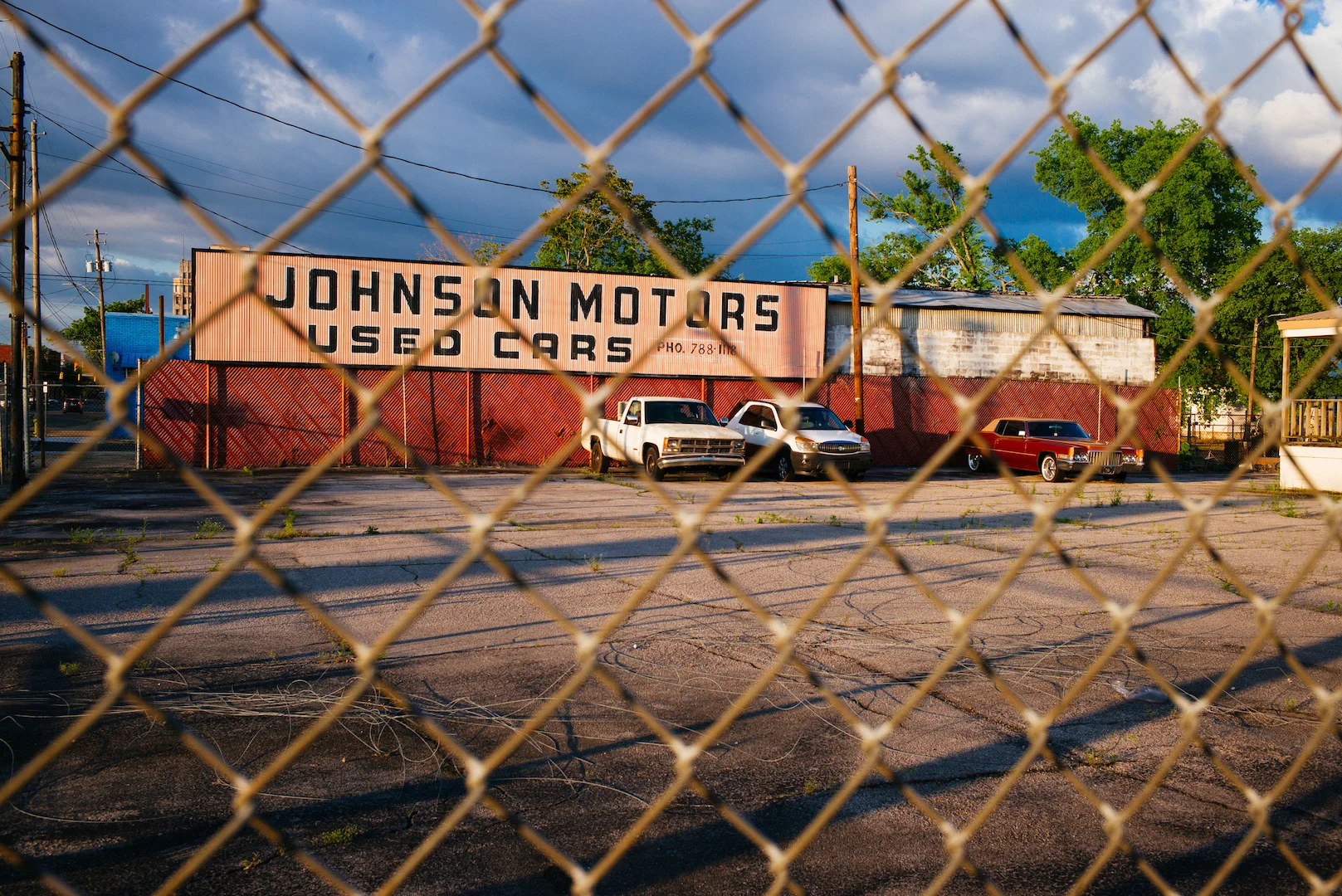
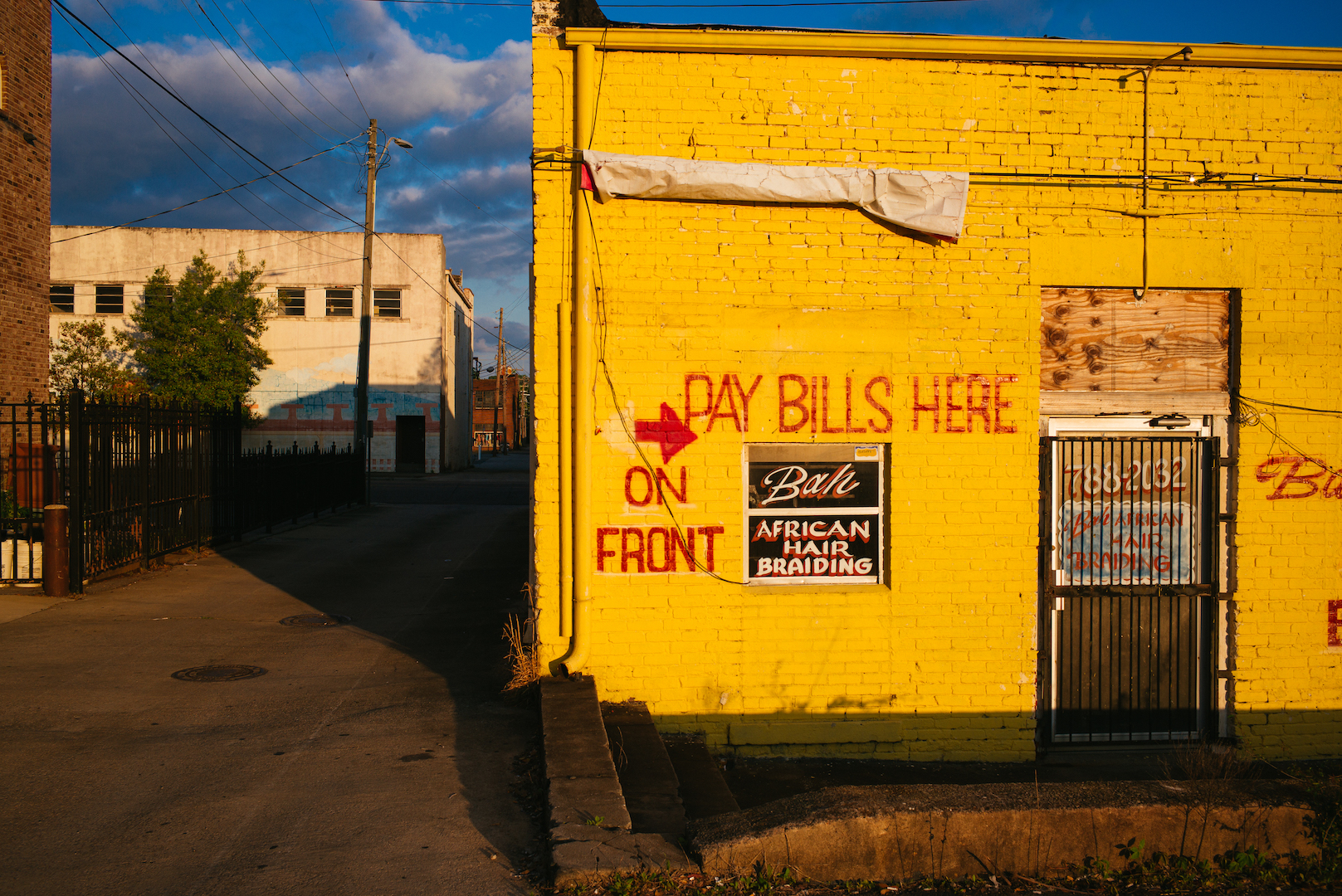
Ensley is a neighborhood of Birmingham, Alabama that—for its first few decades—was its own city and industrial site. At its most prosperous in the early 20th century, it's been in decline since the 1970s. These days, it's a little rough. But you can still see elements of its past glory. 

I was driving through at peak golden hour on a clear, beautiful day. Yes, these photos were edited in Lightroom and were boosted in tweaked, but 80 percent of what you see is straight out of the camera, the light was just that good. These next photos, in particular, are inspired by Fred Herzog, a mid-century Vancouver-based photographer who did a lot of his work at exactly this time of day, using color transparencies.

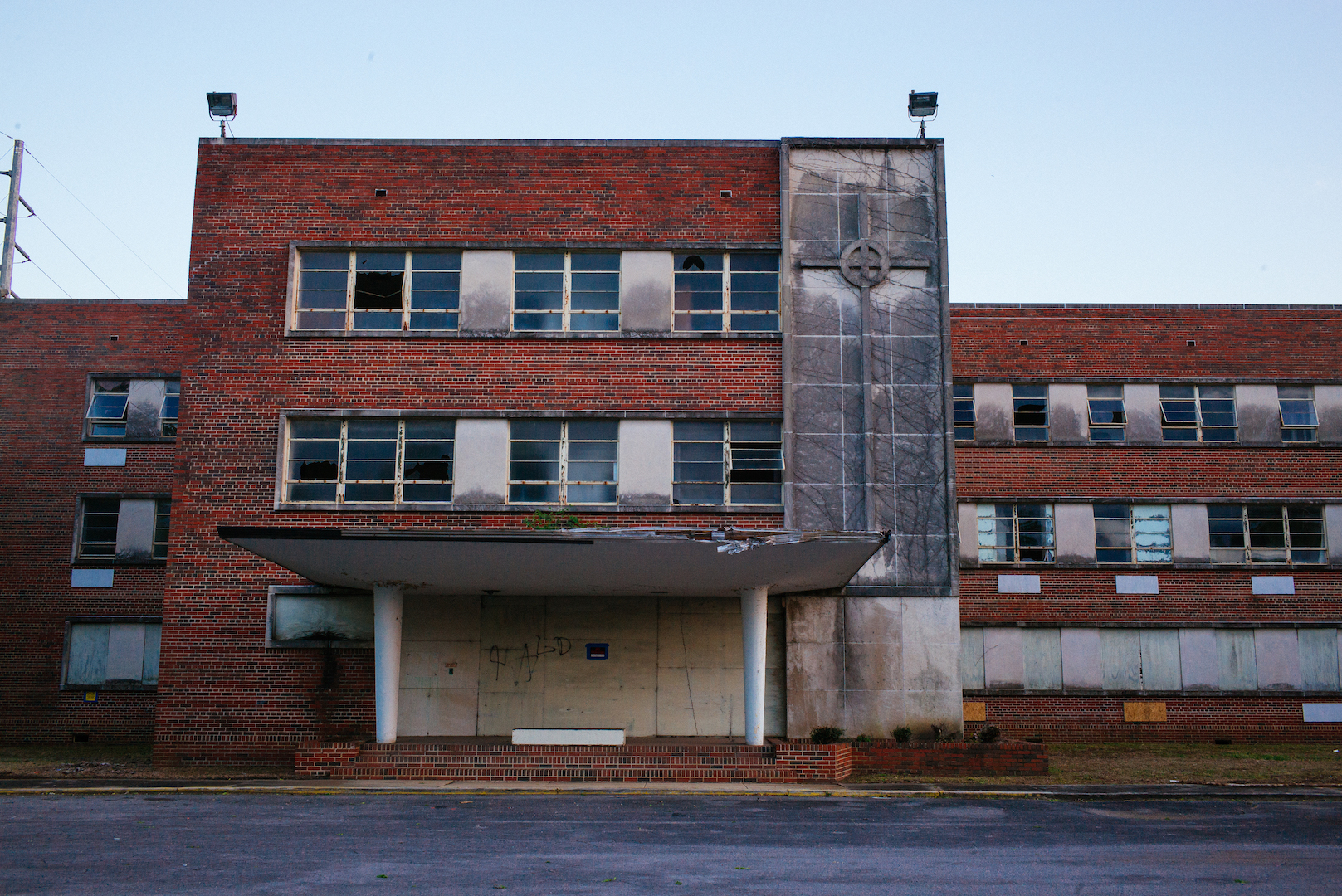
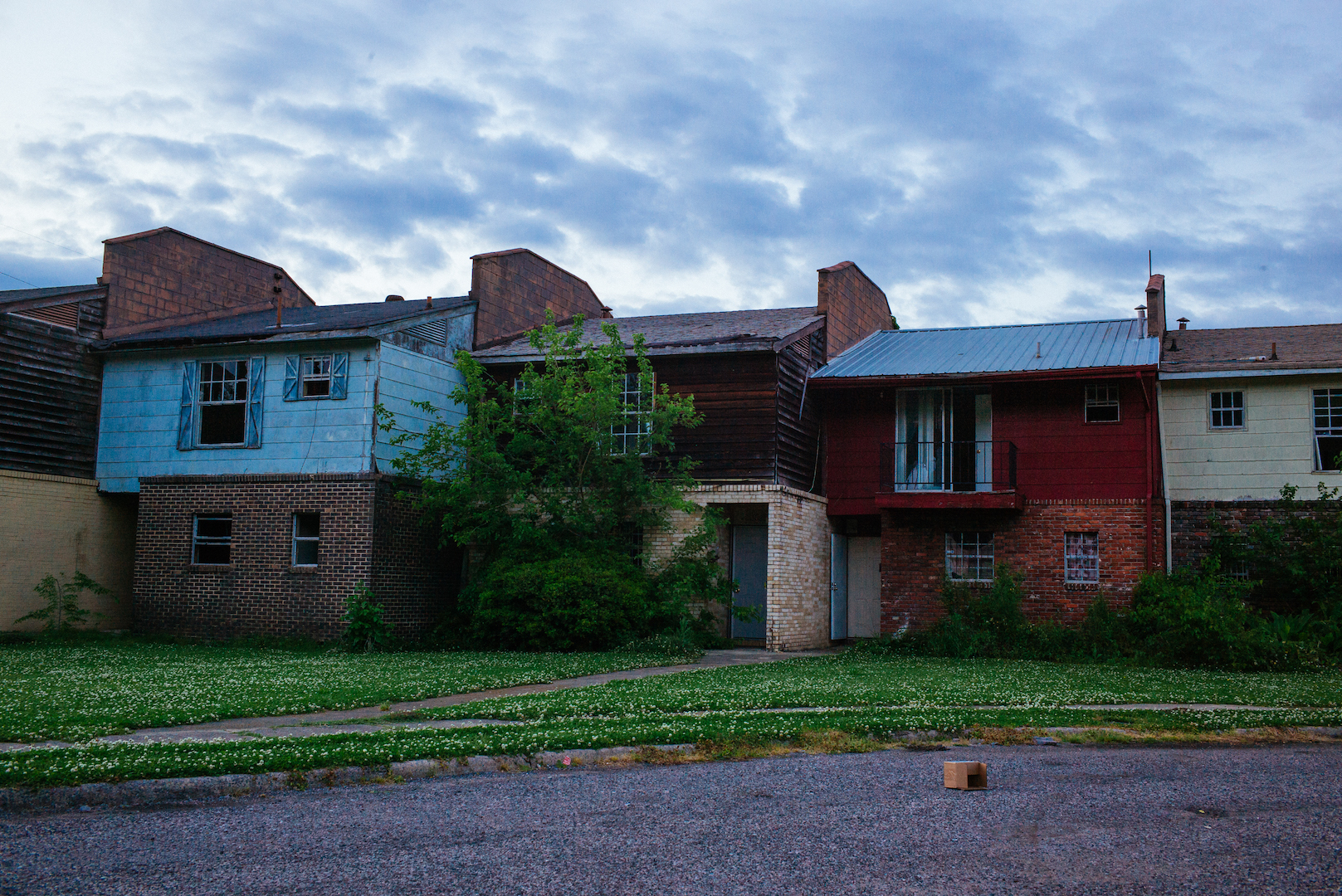
After about an hour, the light began to fade and I started to make my way home. On my way out, I saw these evocative structures. The first appears to be an abandoned school. The second are a set of abandoned town homes. From the back, they are covered in growth and have visible decay. But from the front, they almost look like they're lived in.

I should say, if I weren't committed to film and also had thousands of dollars to burn, I would totally own one of these digital Leicas and fancy lenses. Alas.

Alabama, take one

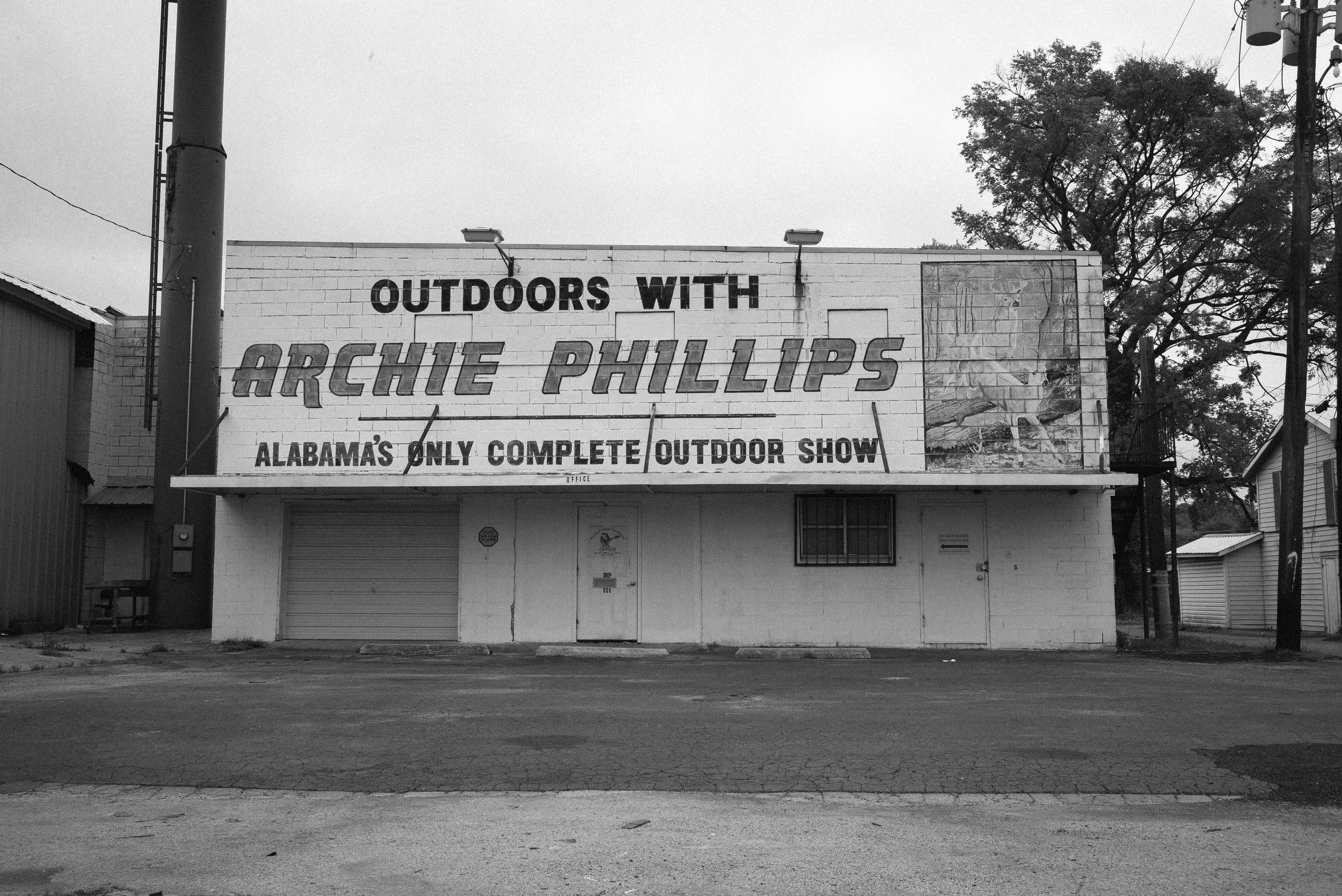
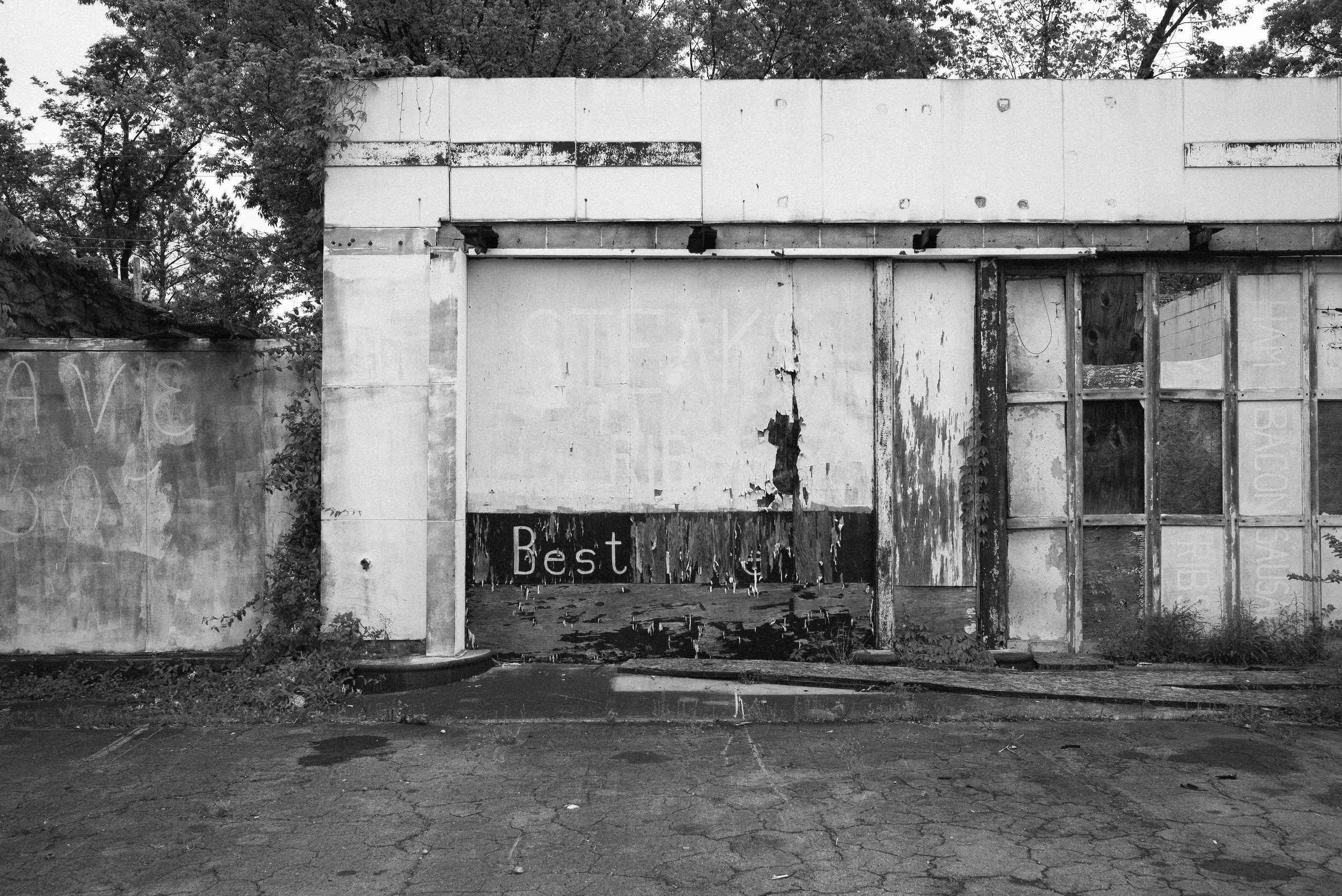
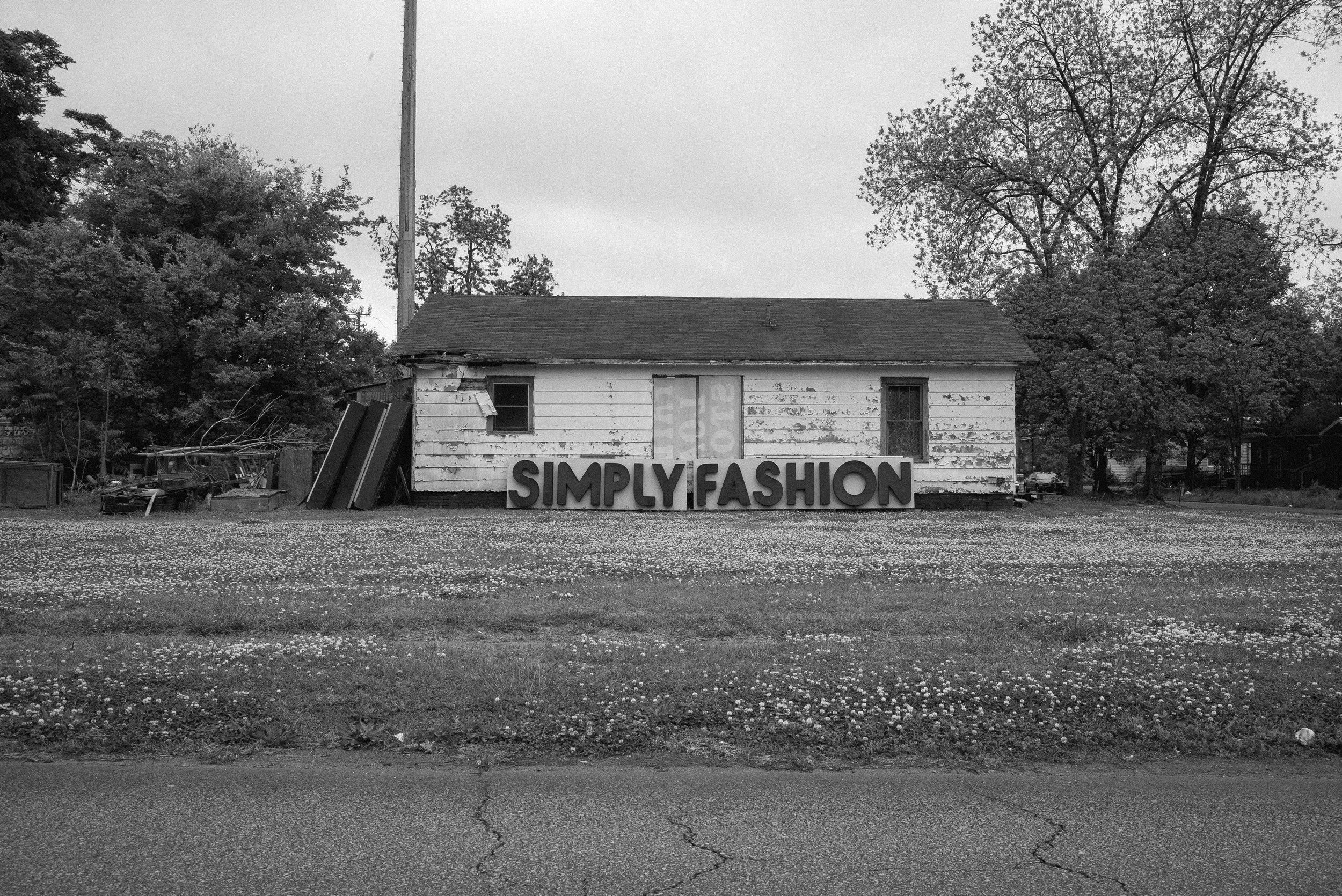
I was in Alabama for a few days covering the National Memorial for Peace and Justice and otherwise exploring a few parts of the state. In the interest of indulging my inner-Walker Evans and Fred Herzog, I devoted a good amount of time to black and white and color photography of older buildings, signs, and advertisements. 

Brighton, Alabama

Brighton, Alabama

For this post I want to focus on the black and white photography, which I shot using the Leica M-D I mentioned in a previous point. The M-D, you’ll remember, is a digital rangefinder which doesn’t have an LCD screen and only a few auto settings. Combined with the manual focus M-mount lenses and you have a digital camera that feels exactly like shooting a film Leica M. And that is more or less how I treated my photography on this trip, finding an average exposure and then bracketing on either side in the interest of getting it right “in camera.”

Brighton, Alabama

Brighton, Alabama

As with actual film, a good exposure is just the starting point for the real work of creating a usable file for printing and display. All the photos you see here were processed in Lightroom, using VSCO as a starting point and adjusted to ensure a full range of tones. The remaining photos in this post were taken in Fairfield, Alabama, which is part of the Birmingham metro area.

new orleans, first pass

I still haven’t developed my film from New Orleans, but like last week, I do have a few digital photos to share. 

Any trip to New Orleans eventually involves a stop in the French Quarter, and for whatever reason our days almost always ended with us walking through it. This first photo is from Easter Sunday, our first full day in the city. We missed the morning Easter parades on account of visiting cemeteries, but we were able to catch the last parade of the day, the Gay Easter Parade. There’s something both very modern and very pre-modern about Easter revelry. The vibe of the celebration is a throwback to quasi-pagan Easter celebrations of an earlier Christianity, but the inclusivity is very 21st century. Anyway. I like this picture.

DSCF2956.jpg

Next is from a random moment in the quarter. The light was fantastic and it was just luck that some people walked through the scene just as I took a snap.

DSCF3067.jpg

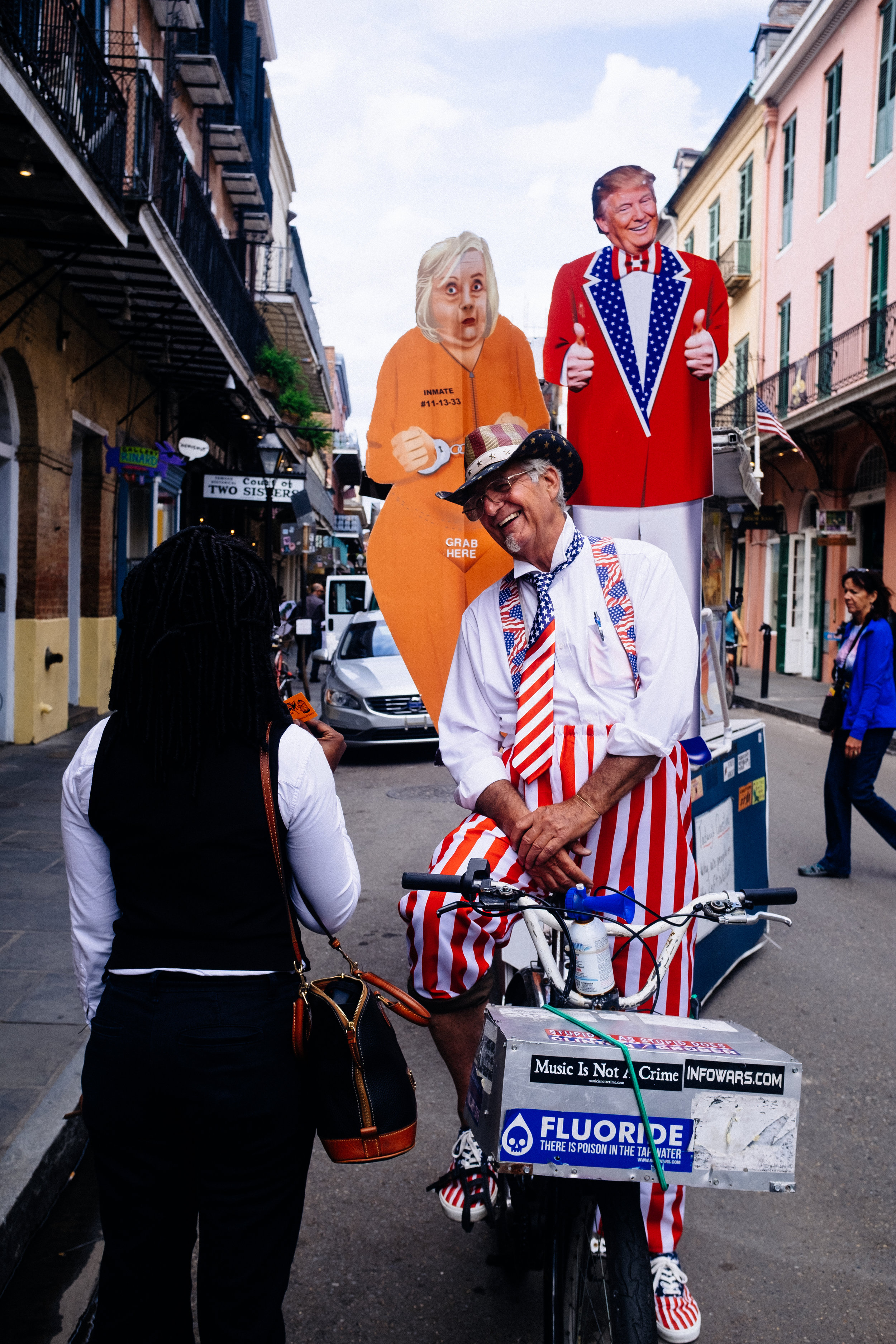
Last is from our last full day in New Orleans. I’m a sucker for people with insane political beliefs, and took a few photos of this dude as he evangelized for his Alex Jones-ish views.

DSCF3063.jpg

For those of you who care about gear, these were taken with a Fuji X100F and processed in Lightroom.